un aspiradora está acostumbrado a Elimina la suciedad suelta, el polvo, los residuos, el pelo de mascotas, los alérgenos y las partículas finas de pisos, alfombras, tapizados y superficies. creando succión que atrae el material a través de una boquilla hacia una bolsa o recipiente de recolección. Es una de las herramientas de limpieza más versátiles disponibles y realiza tareas en entornos residenciales, comerciales e industriales, desde el mantenimiento diario de alfombras hasta la limpieza de escombros posteriores a la construcción.
Las aspiradoras modernas van mucho más allá de la simple limpieza del suelo. Con los accesorios y configuraciones adecuados, abordan una amplia gama de tareas de limpieza que de otro modo requerirían múltiples herramientas independientes.
Contenido
La aplicación más común es la limpieza de pisos duros (baldosas, madera dura, laminados, vinilo) y superficies alfombradas. En suelos duros, la succión elimina los residuos sueltos y el polvo fino que las escobas empujan sin capturar. En las alfombras, un cepillo giratorio motorizado agita las fibras para desalojar la suciedad incrustada y el pelo de las mascotas, materiales que el barrido no puede alcanzar. Los estudios sobre la calidad del aire interior muestran que aspirar regularmente reduce la concentración de partículas en el aire al capturar el material antes de que el tráfico peatonal lo vuelva a suspender.
Con un accesorio para tapizados, una aspiradora elimina el polvo, la caspa de las mascotas, las migas y los restos de sofás, sillas, colchones y cojines. Aspirar los colchones es particularmente eficaz para reducir las poblaciones de ácaros del polvo; los estudios indican que aspirar los colchones con regularidad puede eliminarlos. hasta el 90% de los alérgenos de los ácaros del polvo superficiales , proporcionando un alivio significativo a las personas alérgicas.
Las escaleras acumulan suciedad y pelos de mascotas en las esquinas y a lo largo de contrahuellas donde las máquinas a nivel del piso no pueden llegar. Una aspiradora de mano o una aspiradora con o sin cable con accesorio para escaleras limpia cada escalón rápidamente sin la necesidad de subir y bajar una máquina de tamaño completo.
Las aspiradoras compactas e inalámbricas se utilizan ampliamente para la limpieza del interior de los vehículos: eliminan migas, arena y residuos de los asientos, tapetes y espacios entre los cojines de los asientos y los paneles de las puertas. Los modelos portátiles con herramientas para rincones son especialmente adecuados para esta tarea, ya que acceden a espacios reducidos a los que ningún método de limpieza convencional llega eficazmente.
aspiradoras equipado con filtros HEPA (aire de partículas de alta eficiencia) que capturan partículas tan pequeñas como 0,3 micras con 99,97% de eficiencia - incluidos los desechos de los ácaros del polvo, el polen, las esporas de moho y la caspa fina de las mascotas. Para los hogares con asma o personas alérgicas, pasar la aspiradora con filtro HEPA es una medida de control ambiental clínicamente recomendada. Las aspiradoras estándar sin filtración HEPA en realidad pueden empeorar la calidad del aire al expulsar partículas finas a la habitación durante el funcionamiento.
El pelo de las mascotas se incrusta profundamente en las fibras de las alfombras y se adhiere a las superficies de las telas a través de la electricidad estática. Las aspiradoras diseñadas para pelo de mascotas utilizan cepillos turbo motorizados que peinan mecánicamente el pelo de las fibras mientras lo eliminan con succión. Una sola sesión de aspiración en un hogar con mascotas que mudan pelo puede recolectar volúmenes mensurables de cabello que de otro modo migrarían a la ropa, las superficies de los alimentos y los filtros HVAC.
Las aspiradoras en seco y húmedo (aspiradoras de taller) manejan aserrín fino, polvo de yeso, astillas de madera y derrames de líquidos que las aspiradoras domésticas estándar no pueden procesar de manera segura. Muchas herramientas eléctricas, incluidas lijadoras orbitales, fresadoras y sierras circulares, se pueden conectar directamente a una aspiradora de extracción de polvo a través de un conector de manguera, capturando el polvo fino en el punto de generación antes de que se levante en el aire.
Con un cepillo suave o una herramienta para rincones angostos, las aspiradoras eliminan de forma segura el polvo de las salidas de aire, las aletas del radiador, los espacios del teclado, las rejillas de refrigeración de la computadora y los rieles de las ventanas, tareas en las que los paños húmedos serían ineficaces o correrían el riesgo de sufrir daños por humedad. La aspiración regular de las rejillas de ventilación HVAC puede mejorar notablemente la eficiencia de la circulación del aire en los hogares.
| Tipo | Mejor para | Ventaja clave |
|---|---|---|
| vacío vertical | Grandes áreas alfombradas | Fuerte succión; rodillo de cepillo motorizado |
| aspiradora de bote | Suelos duros, escaleras, debajo de muebles. | Alcance de manguera flexible; funcionamiento más silencioso |
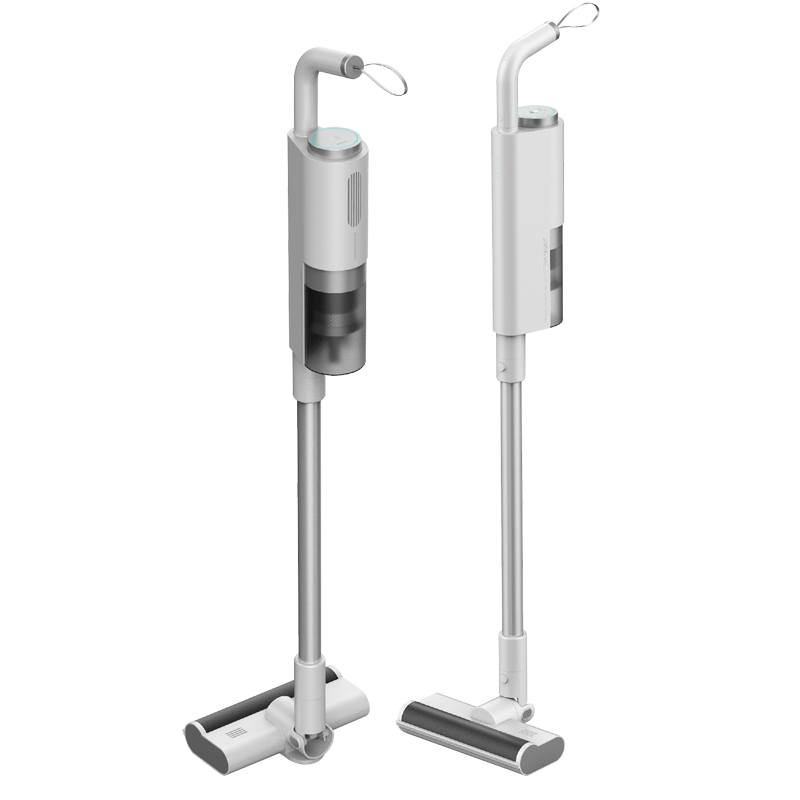
| Aspiradora de varilla inalámbrica | Limpiezas diarias rápidas; pisos duros | Ligero; sin restricción de cable |
| aspiradora de mano | Coches, tapizados, limpieza de manchas. | Máxima portabilidad; tamaño compacto |
| robot aspirador | unutomated daily floor maintenance | Opera de forma autónoma sin presencia del usuario |
| Aspiradora para mojado y seco (de taller) | Talleres, derrames, escombros de construcción. | Maneja tanto líquidos como sólidos gruesos. |
| Aspiradora de mochila comercial | Oficinas, hoteles, grandes instalaciones | Movilidad del operador; limpieza sostenida de alto volumen |
Las aspiradoras recargables inalámbricas han ampliado el uso práctico de la aspiradora a entornos donde antes el cable de alimentación era un factor limitante. Con tiempos de ejecución típicos de 20 a 60 minutos por carga y peso tan bajo como 1,5 a 3 kilos , los modelos inalámbricos se utilizan para:

@ 2022 CIXI XIATIAN ELECTRICAL APPLIANCES CO.,LTD.Todos los derechos reservados.
Venta al por mayor Fabricantes de ventiladores eléctricos de gama alta



 inglés
 한국어
한국어